

Arthur Bright's blog
 It is ridiculously easy to create an online forum.
Introducing Guest Blogger Marie-Andrée Weiss
 I am excited to welcome Marie-Andrée Weiss as a guest blogger!
Another Brick in the Great Firewall: Sina Weibo's 'Truth' Credits
 Censorship in China is nothing new. Heck, it's practically to be expected these days.
Britain's New Libel Bill: Better on Libel Tourism, But Worse on Anonymous Online Speech
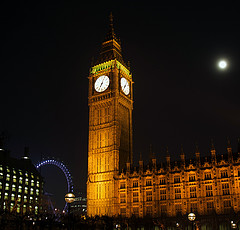 Britain's effort to reform its defamation laws and shed London's title of "libel capital of the world" has been chugging along for several years, but now it looks like it's in sight of the last stop: The government unveiled its proposed
 U.S. Marine Faces Uphill Battle in First Amendment Challenge
 What happens when the First Amendment collides with military decorum and respect for chain of command?
Legal Guide Expanded to Include Arizona
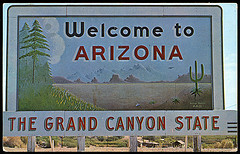 We are pleased to announce the expansion of the CMLP Legal Guide to cover the state of Arizona!
Is 'Liking' on Facebook Protected Speech?
 Venkat Balasubramani and Eric Goldman, over
 The Wasted Effort of Connecticut's Feeble Cop-Recording Bill
 Connecticut, like most states these days it seems, has been having a problem with cops interfering with people photographing or filming them. Members of the Connecticut legislature are concerned about citizens being harassed for filming cops, and are working on passing a bill,
 Introducing Guest Blogger Bryce Newell
 I am excited to welcome Bryce Newell as a guest blogger!
Mexico Takes a Big Step Forward in Protecting Professional and Citizen Journalists
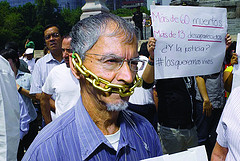 Thanks to its ongoing war against the drug cartels, Mexico is one of the most dangerous places in the world for a journalist to work.
Righthaven is no more! It has ceased to be! It's expired and gone to meet its maker!
 If there is a polar opposite to organizations like ours, it is the intellectual property troll. And in the IP troll heirarchy, one of the trolliest has long been Righthaven, the self-described "pre-eminent copyright enforcer" that sued hundreds of bloggers and other Internet denizens apparently as part of its business model. If the DMLP, the EFF, Public Citizen, and the like are the Justice League, Righthaven would be in the Secret Society of Supervillians.
Ron Paul Campaign Gets a Lesson on Civil Liberties
 Ron Paul's presidential campaign has been having a rough go of it: He has yet to win a Republican state primary or caucus. But now his campaign's also-ran streak extends into the courtroom too, in a victory for the right to anonymous free speech.
Fashion Faux Pas: Louis Vuitton Clashes With UPenn
 So, have you heard about the little legal scuffle between Louis Vuitton and the UPenn Law School?
We're Live, So Could Someone Please Wake Justice Ginsberg?
 A bit of good news for those of us keen on open government: The Senate Judiciary Committee today voted 11 to 7
 Why Twitter's New Censorship Tool Isn't As Bad As It Seems
SOPA/PIPA Protest Day is Over, But the Battle is Not
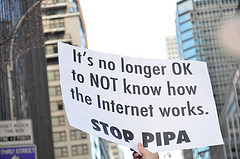 The day of protest against the now (hopefully) infamous "Stop Online Piracy Act" (SOPA) and "Preventing Real Online Threats to Economic Creativity and Theft of Intellectual Property Act of 2011" (PROTECT IP Act, or PIPA) has ended.
 A New Heavyweight Steps in the Ring as Round 2 Begins in Obsidian v. Cox
 Given the hoopla it caused
 Want to be the New Righthaven.com? Just Three Shopping Days Left!
 It's been
 Introducing Guest Blogger Victoria Smith Ekstrand
Hate Speech v. Freedom of Expression in a 'Pleasantly Authoritarian Country' (aka Canada)
 The United States is something of an outlier in the world when it comes to hate speech. Whereas laws prohibiting hate speech in the U.S.
Pages